Foolproof Golden French Toast (So Fluffy!)
recipes›breakfast›Foolproof Golden French Toast
recipes›breakfast›Foolproof Golden French Toast
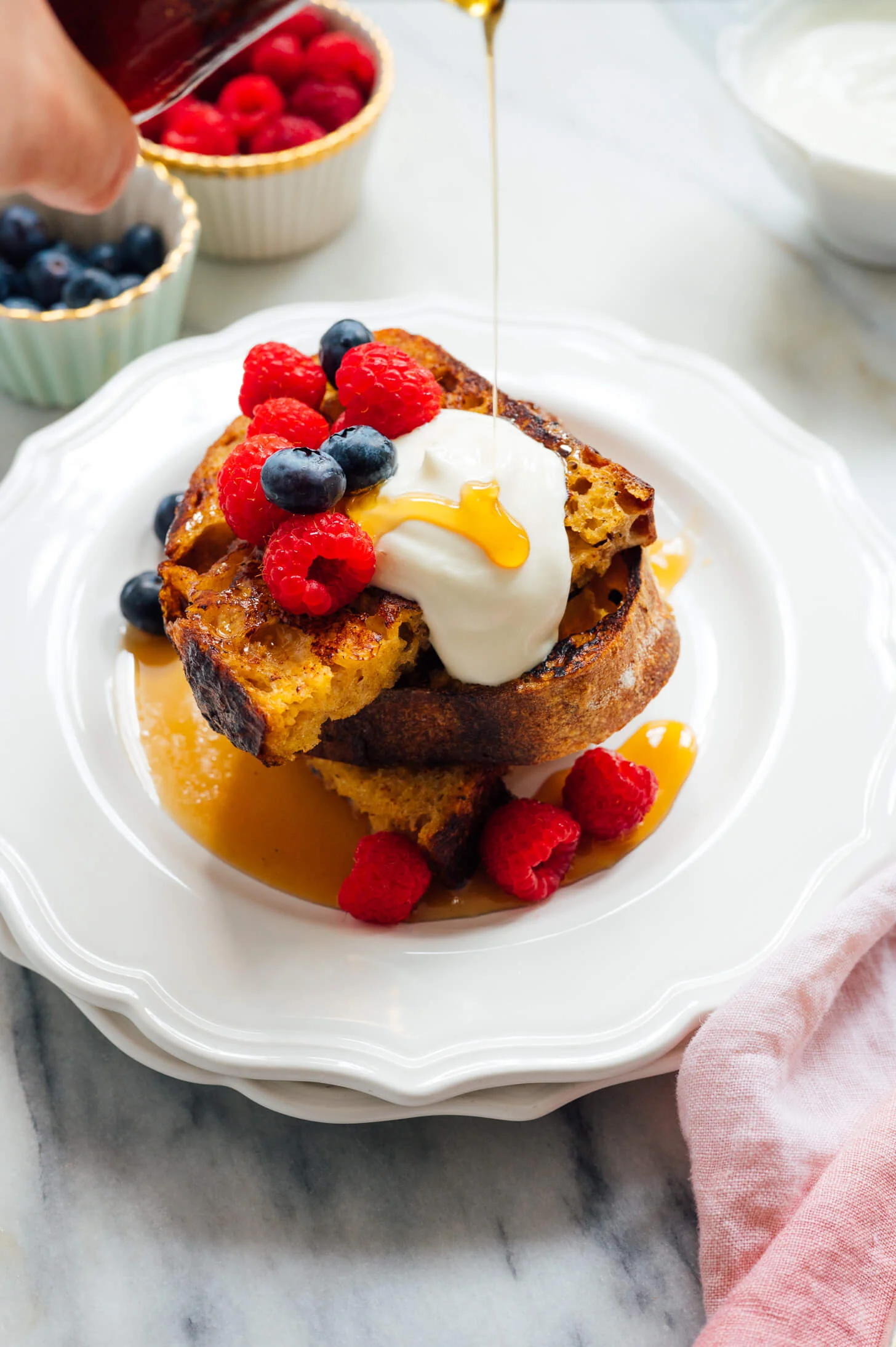
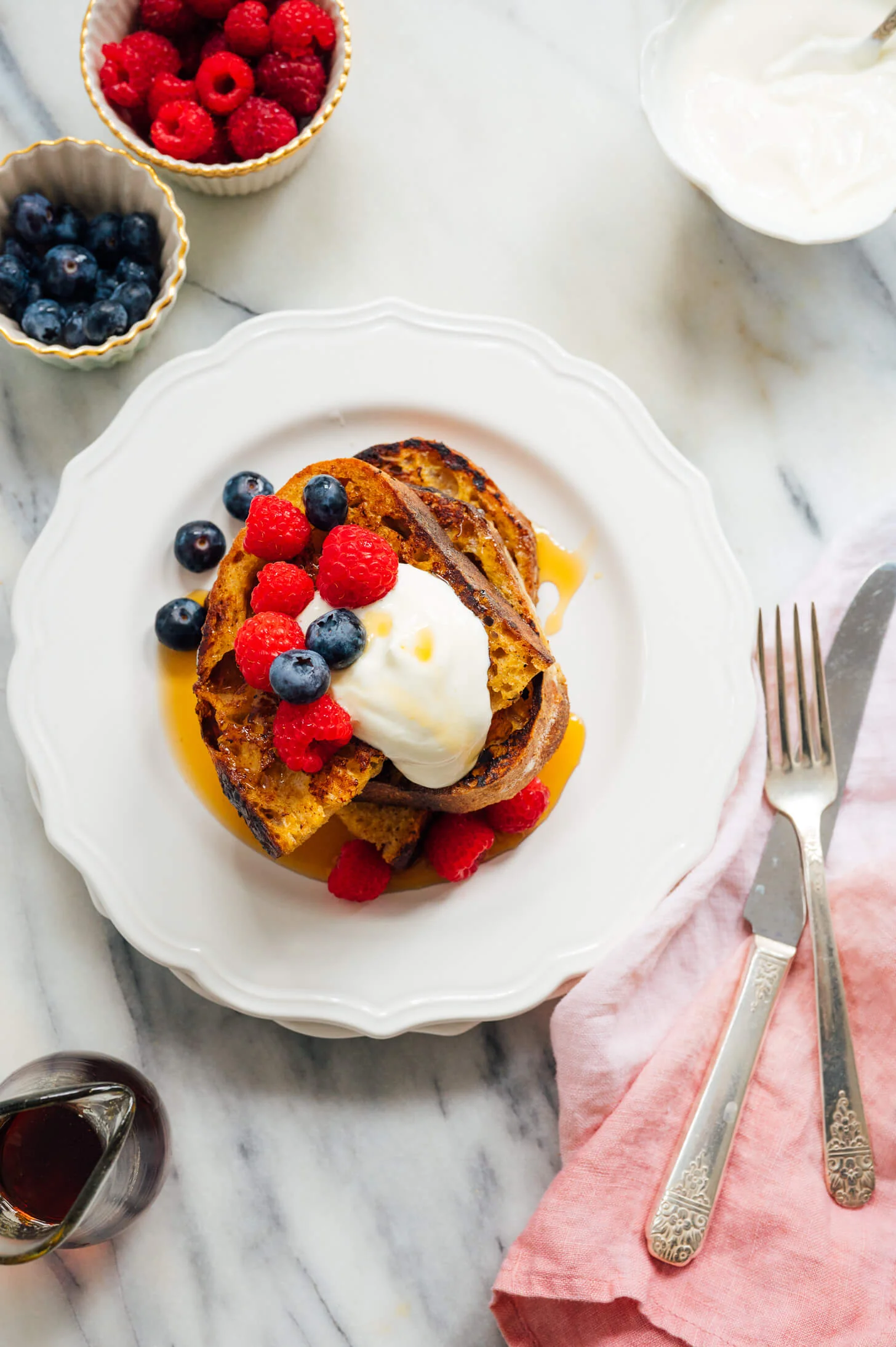
Learn how to make the very best French toast at home! This foolproof recipe gives you slices that are perfectly fluffy, lightly sweet and gloriously golden brown.
Updated byKathryne Tayloron August 29, 2024
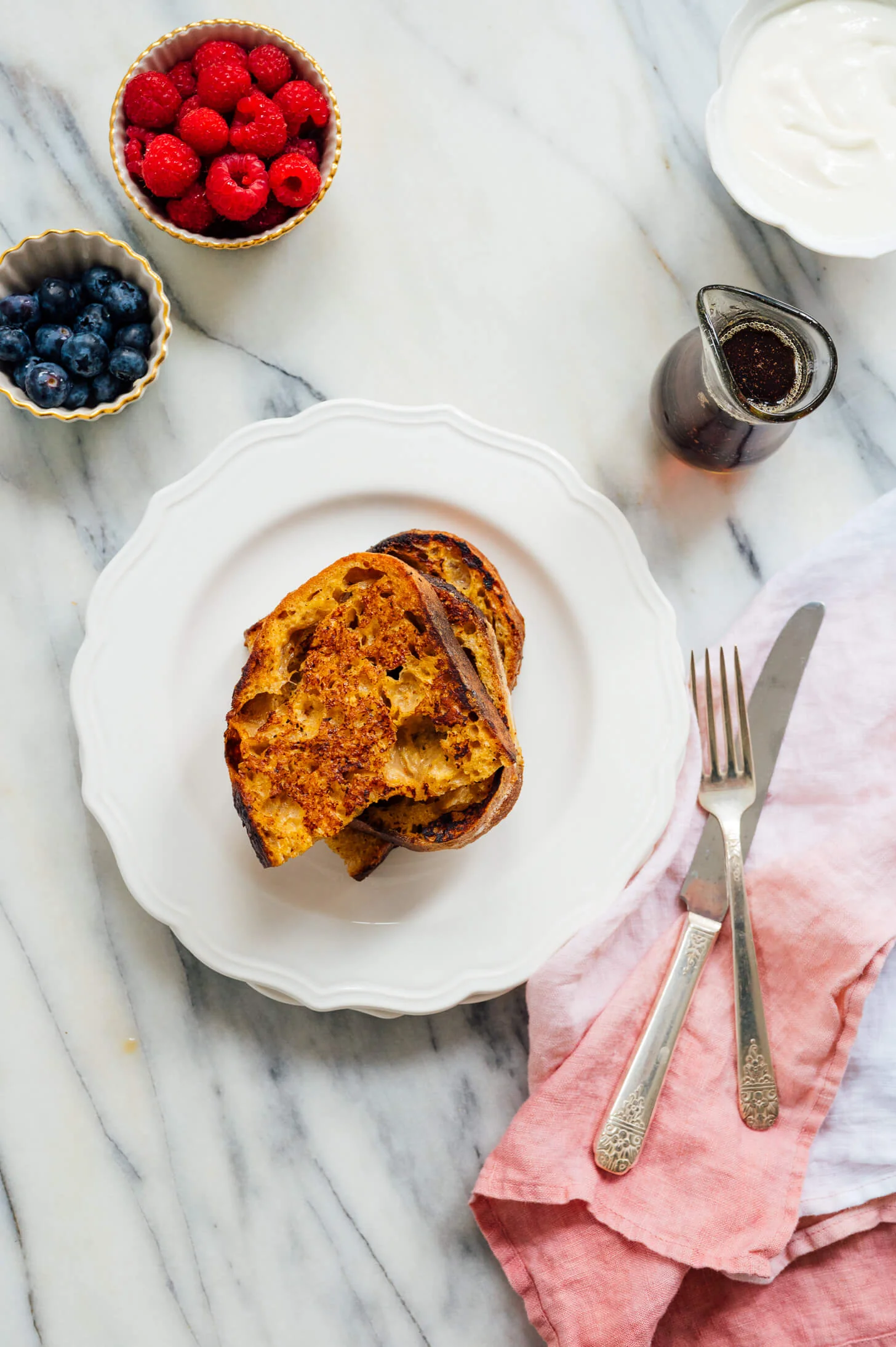
Let’s hear it for French toast! The best French toast is seared golden on the outside, tender and steamy in the middle, lightly sweet and deliciously custardy. This recipe hits every one of those marks with flying colors.
This recipe sidesteps every classic French toast pitfall. Maybe your past attempts turned out soggy, falling-apart or aggressively eggy—never again! I’ve studied all the techniques, and this recipe simply will not let you down.
French toast—known as pain perdu in France—is one of the most brilliant uses for stale bread. It’s true that French toast shines brightest with stale bread, but you can absolutely make it with fresh loaves too. The trick? A quick, low-oven dehydrating step so your toast never turns soggy—I’ll walk you through it below.
This French toast is perfect for a special brunch at home. How about making some for Mom tomorrow? (Here are more Mother’s Day recipes.) It’s simple enough for any ordinary weekend, too. Let’s make some!
French Toast Ingredients
Bread
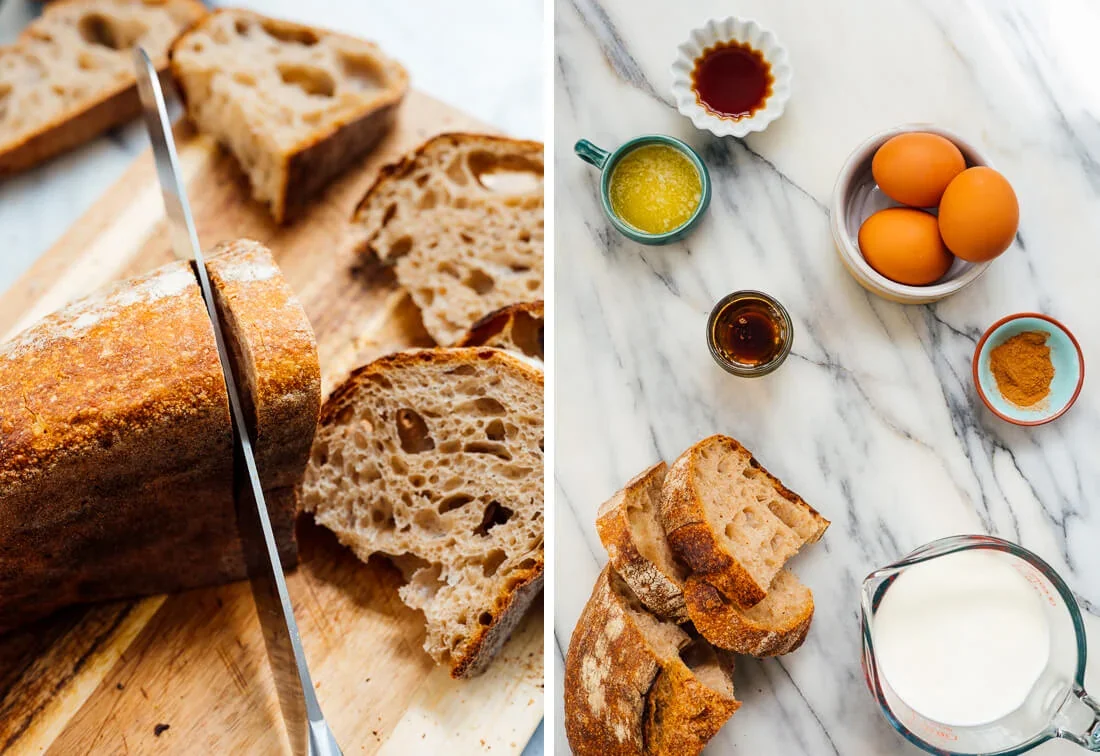
So many options here! My absolute favorite is a fluffy, locally made whole grain sourdough. Challah or brioche will give you that extra-indulgent, fancy restaurant-style French toast. Sandwich bread works too—ideally thick-cut, but regular slices are just fine.
Milk
Whole milk is ideal here for the richest results. Two percent works too. Or try a thick non-dairy milk, like homemade cashew milk or Forager’s cashew milk.
Egg Yolks
That’s right—yolks only. Egg whites are what bring that sulfurous, “eggy” flavor that sometimes hijacks French toast. I picked up this tip from America’s Test Kitchen, and it’s absolutely true!
Uses for leftover egg whites: You’ll have three leftover whites—turn them into a single-serving egg white scramble, or add five more eggs to scramble up four servings.
Butter
We’ll stir melted butter straight into the custard. That way, the butter soaks into the bread for extra richness and that nutty, seared-butter flavor. No need to butter the skillet while cooking—butter tends to burn against the pan. There’s plenty in the batter, even on stainless steel or cast iron.
Maple Syrup
Real maple syrup naturally sweetens the batter. Brown sugar works too. Two tablespoons gives you lightly sweet French toast. Serve with extra maple syrup so everyone can sweeten their slices to taste.
Vanilla Extract
A full tablespoon of vanilla extract makes this French toast taste like a genuine treat. Don’t worry—it’s not too much.
Cinnamon & Salt
Ground cinnamon is the perfect partner for the vanilla custard, and salt amplifies every other flavor.
How to Make French Toast
You’ll find the full recipe below. Here are three key tips before you start:
1) Stale bread is key.
If your bread is soft and fresh, it’ll be tricky to handle and produce soggy French toast. We don’t want that! You can easily dehydrate sliced bread in a low oven (300°F) in under 15 minutes. See step one for details.
2) Soak to a depth of 1/4-inch.
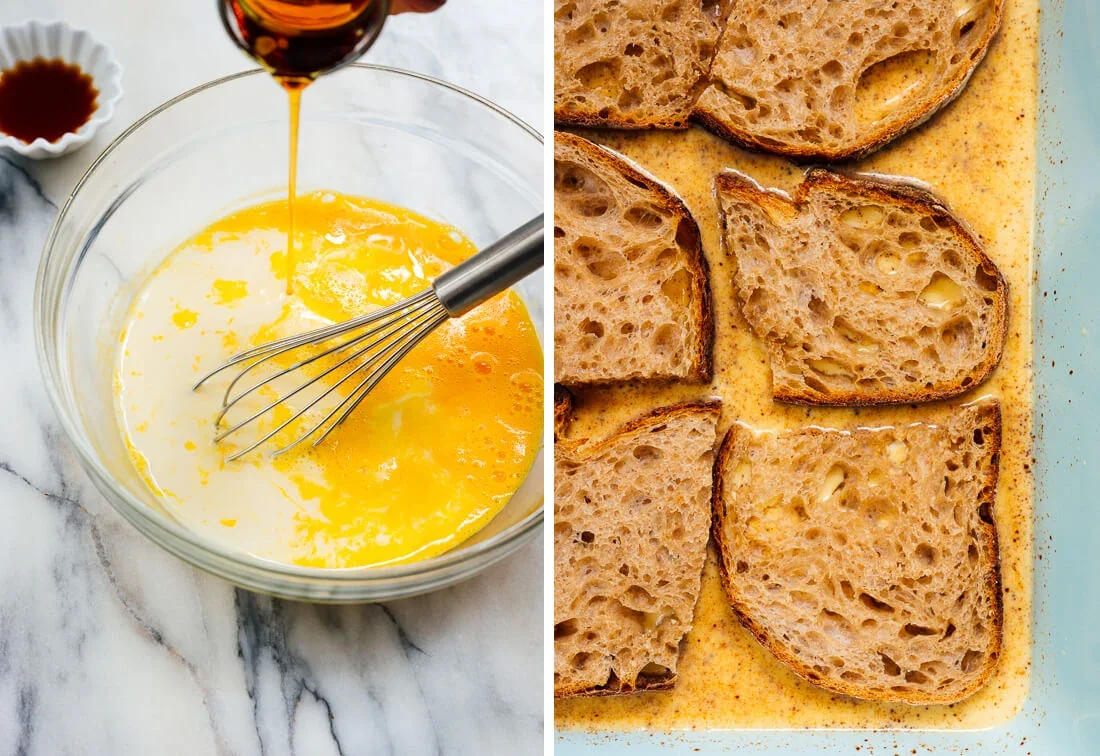
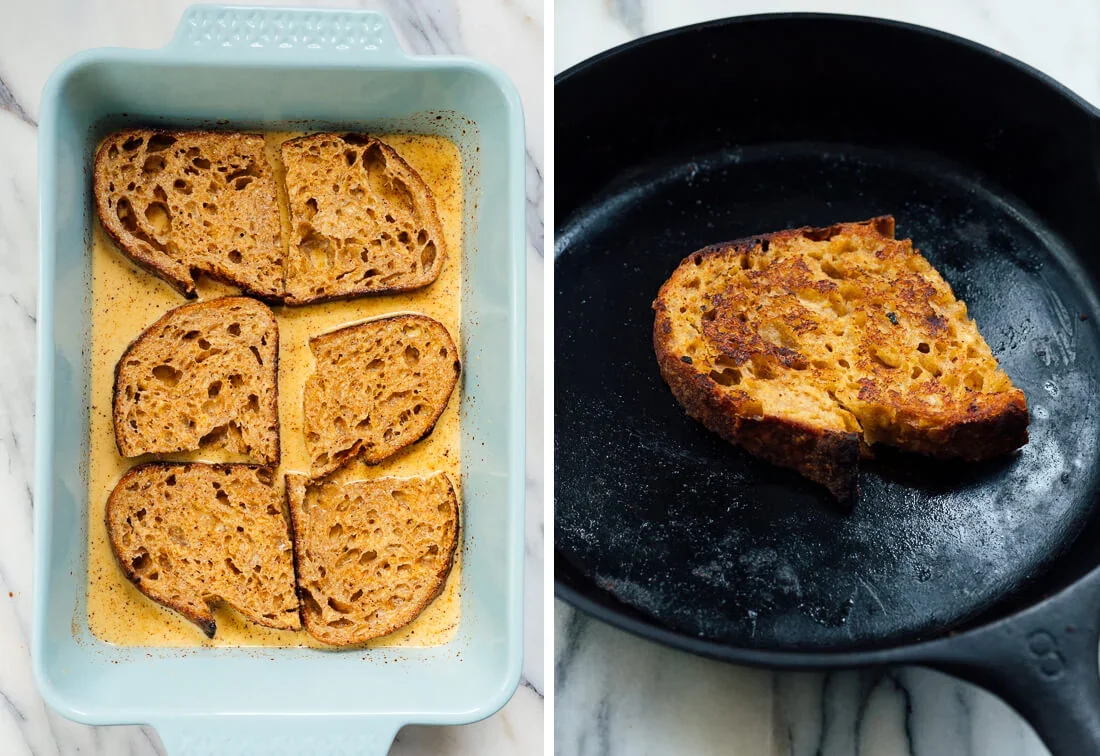
Simply dunking your bread yields dry, spotty results, and soaking too long gives you soggy, floppy slices. Stale bread needs a minute or three to drink in the mixture. Pour the custard into a 9 by 13-inch baking dish and you can float several slices at once.
The key is letting the slices rest until the custard has soaked to a depth of about 1/4-inch, then flipping and repeating on the other side. Ideally, you want a thin unsoaked layer in the middle—it helps the bread hold its structure.
3) Work in batches.
French toast isn’t fussy at all once you have a system—and it’s even easier with a kitchen helper. Soak a batch of bread as described, then transfer the soaked slices to a rimmed baking sheet while you preheat the skillet or griddle.
Cook your first batch, then start soaking the next. Or, if you have a helper, they can soak the next batch while you man the skillet.
Watch How to Make French Toast
French Toast Serving Suggestions
Toppings
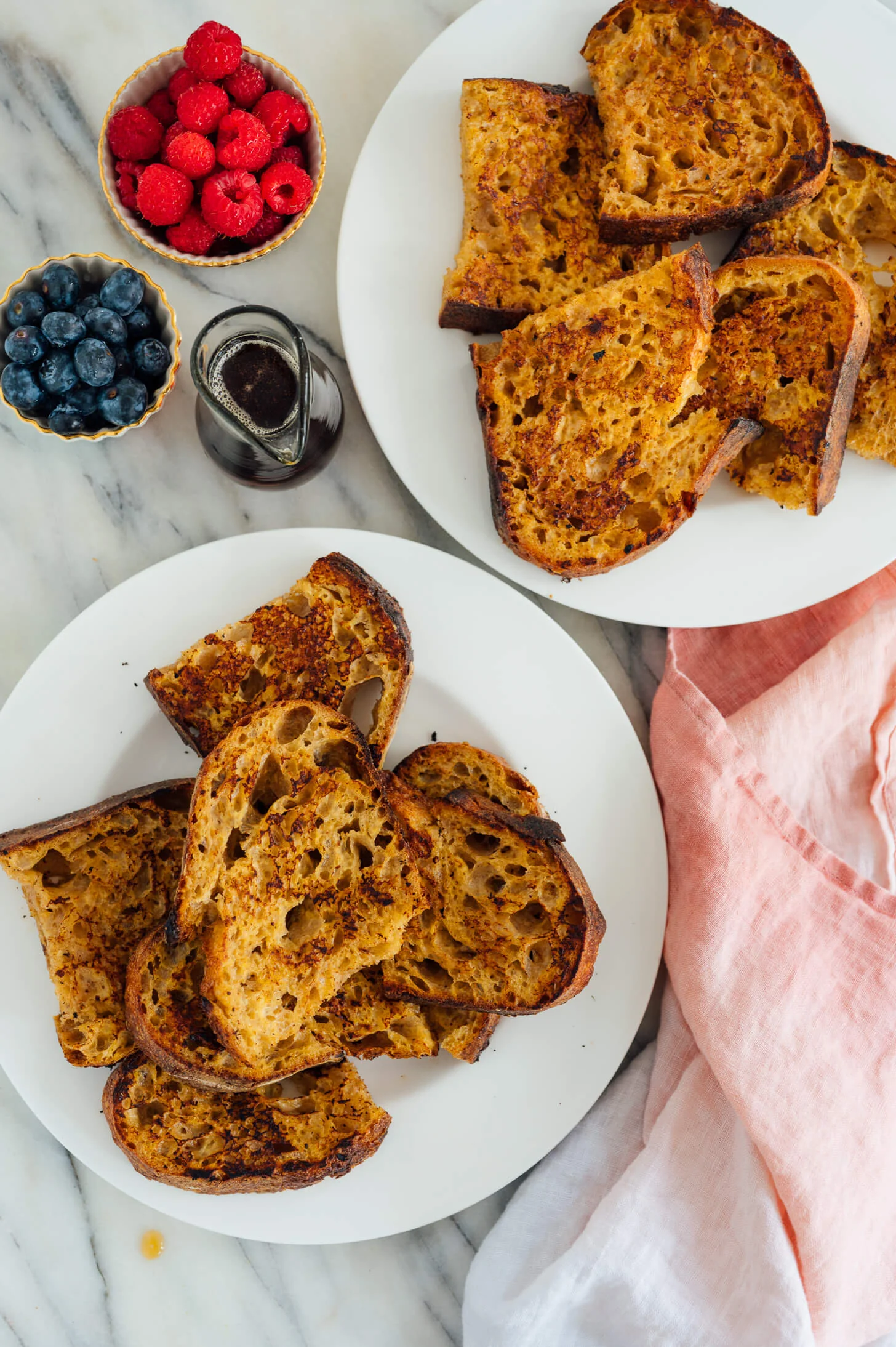
Always serve with extra maple syrup. Add any of these optional toppings:
Accompaniments
French toast is lovely alongside:
More Sweet Breakfast Treats
These wholesome breakfast recipes taste like a treat:
Browse all breakfast recipes here.
Please let me know how your French toast turns out in the comments! I always love hearing from you.
Foolproof Golden French Toast (So Fluffy!)
5 Stars4 Stars3 Stars2 Stars1 Star4.8from23reviews
Learn how to make the very best French toast at home! This foolproof recipe yields slices that are fluffy, tender, lightly sweet and gloriously golden brown. The recipe yields 8 large or 12 medium slices of French toast (4 servings).
Ingredients
Instructions
Notes
Recipe adapted from America’s Test Kitchen and Cook’s Illustrated.
*Bread suggestions: I love fluffy whole grain sourdough for its light nutty flavor. Challah, brioche, a wide loaf of French bread, or even sandwich bread (ideally thick-cut) all work beautifully.
**Milk options: Whole milk is ideal. You could use 2 percent milk for less rich results. Or try a thick non-dairy milk, like homemade cashew milk or Forager’s cashew milk.
Make it dairy free: Use a thick non-dairy milk, like homemade cashew milk or Forager’s cashew milk. Though I haven’t tested it, I’m confident you could swap the butter for melted coconut oil or vegan butter.
NutritionShow NutritionHide Nutrition
The information shown is an estimate provided by an online nutrition calculator. It shouldn’t replace advice from a professional nutritionist. See our full nutrition disclosure here.